
Introduction
In today’s digital world, almost every online activity begins with a Login ID. Whether you are accessing your email, social media account, banking application, e-commerce website, or workplace portal, the first step is usually entering a Login ID. It acts as a unique identifier that allows systems to recognize who you are and give you access to your personal or professional digital space. Without a Login ID, most online platforms would not be able to distinguish one user from another, making secure and personalized access impossible.
A Login ID is essentially the gateway to your online identity. It can take different forms depending on the platform you are using. Some websites use email addresses as Login IDs, while others allow users to create unique usernames. In certain systems, such as banks, universities, or corporate networks, a Login ID may be an assigned number or official ID provided by the organization. Regardless of the format, the main purpose remains the same: identifying the user and linking them to their specific account within the system.
The importance of Login IDs has grown significantly as digital technology has become a central part of daily life. People now manage many aspects of their personal and professional activities online, including communication, financial transactions, shopping, education, and entertainment. Each of these services requires a secure way to identify users and protect their information. Login IDs play a key role in making this possible by serving as the first step in the authentication process.
When a user enters their Login ID, the system searches its database to locate the associated account. After identifying the account, the platform typically asks for a password or another form of authentication, such as a one-time password (OTP) or biometric verification. This process ensures that only the rightful owner of the account can gain access. In this way, Login IDs work together with security measures to protect sensitive data and maintain account privacy.
Another important aspect of Login IDs is personalization. Modern digital platforms often customize user experiences based on account activity and preferences. For example, streaming platforms recommend content based on viewing history, online stores display suggested products based on past purchases, and social media platforms tailor content feeds to individual users. All of these personalized experiences depend on identifying users correctly through their Login IDs.
Businesses and organizations also rely heavily on Login IDs to manage access to internal systems. Employees use them to log into company networks, access files, and perform their daily tasks. By assigning different permissions to different Login IDs, organizations can control who has access to certain data or tools. This helps maintain security and ensures that sensitive information is only available to authorized individuals.
However, because Login IDs are connected to personal accounts and sensitive information, they must be handled carefully. Cybersecurity threats such as phishing attacks, data breaches, and unauthorized access attempts make it essential for users to protect their login credentials. Choosing strong passwords, enabling two-factor authentication, and avoiding suspicious websites are some of the steps users can take to keep their accounts safe.
As technology continues to evolve, the concept of Login IDs is also changing. Some modern systems are exploring passwordless authentication methods, such as biometric recognition or secure authentication apps. Despite these innovations, the fundamental idea of uniquely identifying users within digital systems remains essential.
Understanding what a Login ID is and how it works can help users navigate the online world more confidently and securely. It is not just a simple username or email address; it is the key that unlocks access to the many digital services people rely on every day. 🔐💻
What Is a Login ID?
A Login ID is a unique identifier that allows a user to access a specific account on a website, application, or digital system. It is the first piece of information a platform uses to recognize who is trying to log in. Every account created on an online platform is connected to a particular Login ID, ensuring that the system can differentiate between millions of users and provide access to the correct account.
In simple terms, a Login ID works like a digital name or identity within a system. When a user enters their Login ID on a login page, the system checks its database to find the matching account. Once the account is located, the system then asks for authentication details, usually a password or another verification method. If the authentication details are correct, the user is granted access to their account.
Login IDs can take different forms depending on the platform or organization. The most common types include email addresses, usernames, mobile numbers, or system-generated identification numbers. For example, many websites use email addresses as Login IDs because they are unique and easy to remember. Social media platforms often allow users to create a custom username that serves as their Login ID. Meanwhile, corporate networks or universities may assign an official ID number to employees or students for system access.
One of the key characteristics of a Login ID is uniqueness. No two users can share the same Login ID within the same system. This ensures that each account belongs to a specific individual. When a user signs up for a service and chooses a Login ID that is already in use, the system typically asks them to choose another one or modify it with numbers or additional characters.
Login IDs also play a critical role in account organization and data management. Every activity performed within an account—such as sending messages, making purchases, or saving preferences—is stored under that specific Login ID. This allows platforms to track user activity, maintain records, and provide personalized experiences.
For example, when a user logs into an online shopping website using their Login ID, the system retrieves their account details, including saved addresses, order history, and payment methods. Similarly, when someone logs into a streaming service, their Login ID helps the platform display personalized recommendations based on previous viewing behavior.
Another important aspect of Login IDs is their role in security systems. Login IDs are part of the authentication process that protects accounts from unauthorized access. While the Login ID identifies the account, the password or other verification method confirms that the person attempting to log in is the legitimate owner. Many modern systems also add extra security layers such as two-factor authentication, which requires users to enter a temporary code sent to their phone or email.
Despite their importance, users sometimes overlook the significance of Login IDs. Many people create multiple accounts across different platforms and may forget the Login IDs associated with them. To address this issue, many websites offer recovery options that help users retrieve their Login ID through email verification or phone number confirmation.
In professional environments, Login IDs are even more critical because they help organizations manage system access for employees and protect sensitive information. Each employee is typically assigned a unique Login ID that allows them to access company systems, files, and applications required for their work. Access levels may vary depending on the employee’s role, ensuring that only authorized personnel can access certain data.
Overall, a Login ID is much more than just a username or email address. It is a key element of digital identity that connects users to their accounts, data, and personalized experiences across the internet. Understanding how Login IDs function helps individuals manage their online presence more effectively while maintaining security and privacy.
Why Login IDs Are Important
Login IDs play a vital role in the functioning of modern digital systems. They are not just simple identifiers used to access accounts; they are essential components that help maintain security, organization, and personalized experiences across online platforms. Without Login IDs, it would be extremely difficult for systems to manage millions of users efficiently.
One of the primary reasons Login IDs are important is user identification. Every online platform needs a way to recognize individual users among thousands or even millions of accounts. A Login ID acts as a unique marker that connects a user to their personal data within the system. When someone enters their Login ID during the login process, the platform immediately knows which account the user is trying to access.
Another key reason Login IDs are important is account security. Digital platforms store a large amount of personal and sensitive information, including emails, messages, financial data, and personal preferences. Login IDs work together with passwords and other authentication methods to protect this information. By identifying the correct account first, the system can then verify whether the person attempting to log in is the rightful owner.
Login IDs also contribute to personalized user experiences. Many modern websites and applications tailor their services based on user activity and preferences. When a user logs in with their Login ID, the system retrieves their stored data and settings. This allows platforms to offer customized recommendations, saved preferences, and personalized dashboards. For example, an online shopping website may display product suggestions based on previous purchases, while a streaming platform may recommend movies or shows according to viewing history.
Another important role of Login IDs is access management. In many organizations and online systems, not all users are allowed to access the same information or tools. Login IDs help administrators assign different levels of access depending on a user’s role. For instance, a regular employee may only be able to view certain files, while a manager or administrator may have permission to modify or control system settings. This structured access control helps protect sensitive data and ensures that systems operate efficiently.
Login IDs are also crucial for tracking and accountability. Since each account is linked to a specific Login ID, systems can record user activities such as logins, transactions, and updates. This tracking capability is useful for maintaining records, troubleshooting issues, and improving security. If suspicious activity occurs, administrators can review logs connected to specific Login IDs to identify potential security threats.
In addition, Login IDs support data organization and management. Large platforms handle enormous amounts of information every day. Login IDs allow these systems to store and retrieve user data quickly and accurately. Whether it is retrieving saved files, past transactions, or account settings, the Login ID acts as the reference point that connects all data to the correct user.
Another reason Login IDs are essential is their role in communication and notifications. Many platforms send alerts, updates, or verification messages to users based on their Login IDs. For example, a banking system may notify users about account activity, while an online service may send security alerts when a login attempt occurs from a new device.
As digital services continue to grow, the importance of Login IDs becomes even more significant. People rely on them to manage everything from social interactions and financial transactions to professional tasks and educational resources. A single Login ID can connect users to a wide range of digital services and information.
Overall, Login IDs serve as the foundation of digital account management. They help systems identify users, protect sensitive information, deliver personalized experiences, and maintain organized access to online platforms. Understanding their importance helps users appreciate the role they play in maintaining both convenience and security in the digital world.
Types of Login IDs
Different online platforms and digital systems use various types of Login IDs depending on their structure, user base, and security requirements. Although the basic purpose remains the same—to identify a user and allow access to an account—the format of the identifier can vary widely. Understanding the different types helps users recognize how systems organize accounts and manage access more efficiently.
One of the most common forms is the email-based identifier. Many websites and online services use an email address as the primary login credential. This method has become popular because email addresses are naturally unique and already familiar to most internet users. When someone creates an account on a platform, the email address serves both as a contact method and as the identifier used to sign in. It also makes password recovery easier because verification links or reset instructions can be sent directly to the same address.
Another widely used format is the username-based system. In this approach, users create a unique name during the registration process. This name becomes the identifier used when accessing the account. Username-based systems are especially common on community websites, forums, gaming platforms, and social networks. These identifiers often allow more creativity, enabling users to choose names that represent their personality or interests. However, because usernames must be unique, users sometimes need to add numbers or special characters if their preferred name is already taken.
Some platforms use mobile numbers as account identifiers. This method is particularly common in mobile applications, messaging platforms, and financial services. Using a phone number simplifies the login process because many users always have their phones with them. In such systems, a verification code or one-time password is often sent to the registered number as part of the authentication process. This approach can improve convenience while also providing an additional layer of security.
Educational institutions and corporate organizations often rely on assigned identification numbers. In universities, students might receive a student ID number that grants access to academic portals, course materials, and administrative services. Similarly, companies assign employee IDs that allow staff members to access internal systems, email networks, and workplace tools. These identifiers are typically generated by the organization rather than chosen by the user.
Another method used in some systems is customer account numbers. Businesses that provide subscription-based services or financial products often assign a unique number to each customer. This identifier allows the company to track account activity, manage records, and handle customer support requests efficiently. When contacting customer service, users may be asked to provide this number to verify their identity.
In recent years, some platforms have introduced single sign-on systems, which allow users to access multiple services with a single account. In these cases, the identifier used for login connects to a central authentication service. Once the user signs in successfully, they can move between connected platforms without entering credentials repeatedly. This approach simplifies access across multiple applications and improves overall convenience.
There are also social login options, where users sign in using accounts from existing platforms such as email providers or social networks. Instead of creating a completely new account identifier, users authorize the service to verify their identity through an existing account. This reduces the number of credentials people must remember and speeds up the registration process.
Each type of identifier offers different advantages depending on the needs of the platform and its users. Email addresses provide simplicity and easy recovery options, usernames allow personalization, mobile numbers offer quick verification, and assigned IDs help organizations manage large groups of users. As digital services continue to evolve, systems may combine several of these methods to create flexible and secure login experiences.
Understanding these different types helps users navigate various online systems more confidently. While the format may differ from one platform to another, the underlying goal remains the same: ensuring that each account is connected to a unique individual within the system.
How Login IDs Work in Authentication
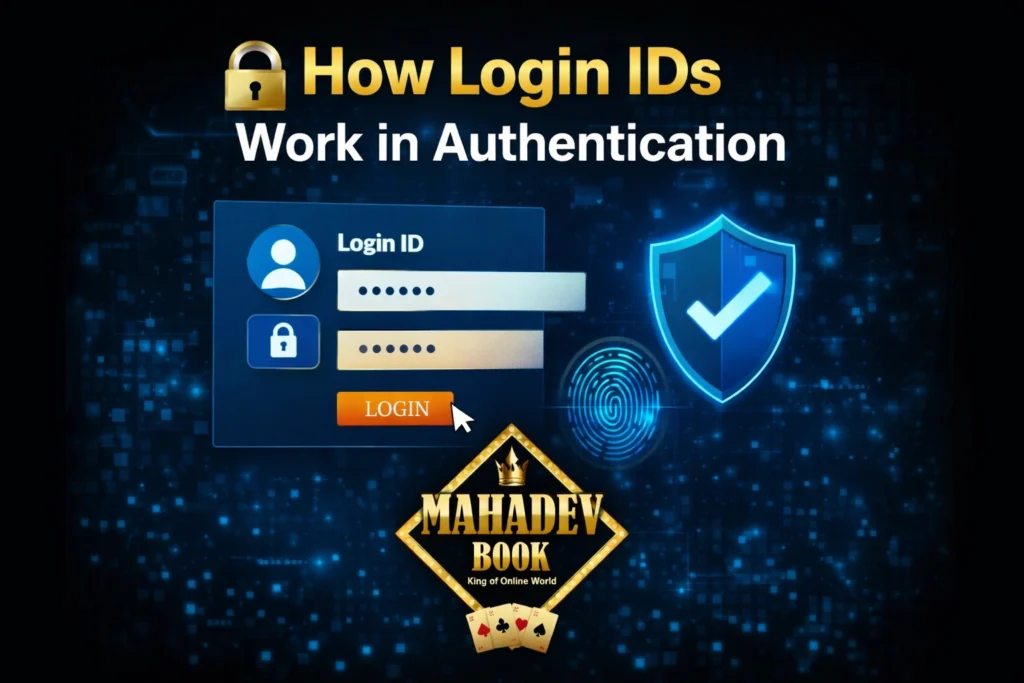
Authentication is the process that verifies whether a user attempting to access a system is truly the owner of the account. Within this process, the identifier entered at the beginning plays a central role because it tells the system which account is being requested. Once the system recognizes the account, it can begin verifying the user’s identity through additional security checks.
The process typically begins when a user visits a login page on a website, application, or digital platform. On this page, the system asks the user to enter their account identifier. After the user submits it, the platform searches its internal database to find a matching record. If the system finds a valid match, it proceeds to the next step of authentication.
The next stage involves verifying the user’s credentials. Most platforms request a password associated with the account. The password entered by the user is compared with the encrypted password stored in the system’s database. If the two match, the platform confirms that the user is authorized to access the account.
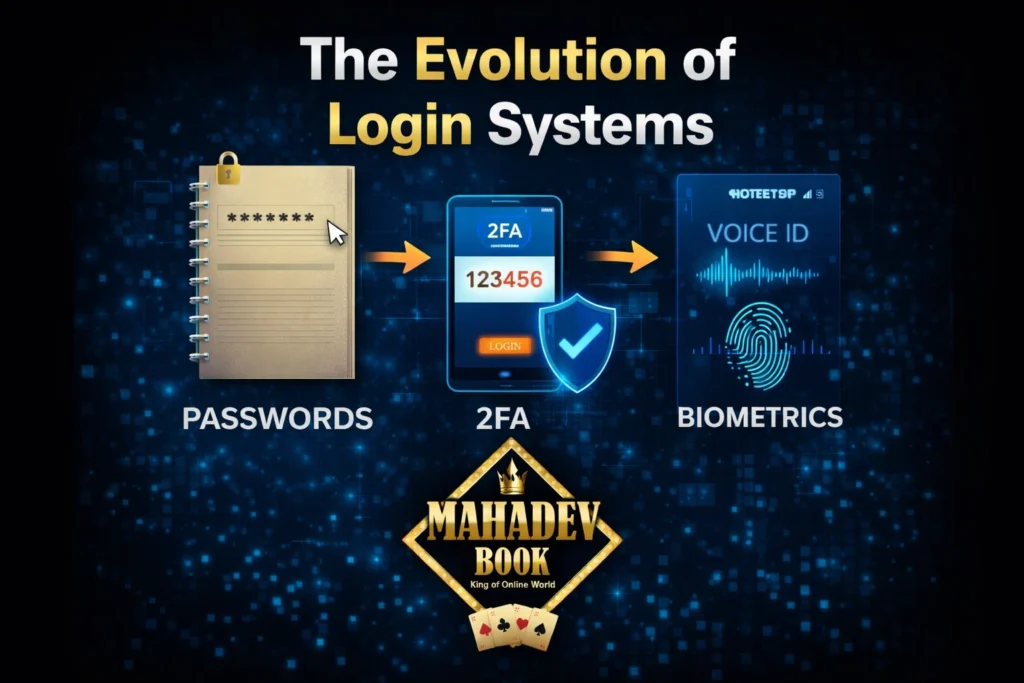
However, modern digital systems often include additional layers of protection beyond just a password. One widely used method is two-factor authentication (2FA). With this method, after entering login credentials, the user must complete a second verification step. This might involve entering a temporary code sent to a registered mobile number or email address. Because the code is only valid for a short time, it significantly reduces the risk of unauthorized access.
Another growing authentication method involves biometric verification. Many mobile devices and applications now allow users to confirm their identity using fingerprints, facial recognition, or voice recognition. These technologies provide a convenient way to strengthen account security while simplifying the login process.
In some systems, authentication may also include device recognition. When a user signs in from a new device or unfamiliar location, the platform may request additional verification. For example, the system might send a confirmation email asking the user to approve the login attempt. This precaution helps prevent unauthorized users from accessing accounts even if they obtain the account credentials.
Behind the scenes, authentication systems also maintain session management. After a user successfully logs in, the platform creates a temporary session that keeps the user connected to the account while they navigate the website or application. This session remains active until the user logs out or until a certain period of inactivity passes. Once the session ends, the user must go through the authentication process again to regain access.
Another important aspect of authentication systems is login monitoring. Many platforms record details about login attempts, such as time, location, and device information. This data helps identify suspicious behavior, such as repeated failed login attempts or access from unusual locations. If the system detects such activity, it may temporarily block access or require additional verification steps.
Authentication processes are designed to balance security and convenience. While strong security measures protect user data, platforms also try to keep the login process simple and efficient. This balance is why many services combine different methods, such as passwords, verification codes, and biometric tools.
Overall, authentication systems rely on the initial account identifier to locate the correct user profile. Once the system identifies the account, it uses various security checks to confirm that the person attempting to log in is authorized. Through this structured process, digital platforms can protect sensitive information while still allowing users to access their accounts quickly and safely.
Creating a Strong Login ID
Choosing a strong and appropriate Login ID is an important step when creating an online account. While much attention is often given to passwords, the identifier used for accessing an account also plays a role in usability and overall security. A well-chosen Login ID can make it easier to manage accounts across different platforms while reducing potential risks.
One of the first things to consider when creating a Login ID is uniqueness. Every system requires each account to have a distinct identifier so that users can be clearly distinguished from one another. If a chosen username or identifier is already in use, the system usually asks the user to select another option or modify it by adding numbers or additional characters. Creating something slightly distinctive helps avoid confusion and ensures smooth account access.
Another important factor is simplicity and memorability. Since many people manage multiple accounts across different websites and applications, choosing something easy to remember can prevent login difficulties in the future. Identifiers that are too complicated may increase the chances of forgetting them, especially if they include random combinations of characters.
Users should also be careful about including sensitive personal information in their Login IDs. Details such as full birth dates, government identification numbers, or complete home addresses should generally be avoided. These types of details can potentially be used by malicious individuals to guess additional account information or perform identity-related attacks.
Maintaining consistency across platforms can also be helpful for some users. While it is not necessary to use the exact same Login ID everywhere, using a similar format or pattern can make account management easier. For example, a user might use a preferred name combined with a number or keyword. This approach allows the identifier to remain recognizable without revealing too much personal information.
Another good practice is keeping the identifier professional when necessary. On platforms used for work, education, or business communication, it is usually better to use a clear and professional format. Informal or humorous usernames may be acceptable on entertainment platforms or gaming communities, but professional environments often require a more formal approach.
Some platforms automatically generate identifiers during the registration process. In such cases, users may have the option to customize them later. If customization is available, choosing something that reflects the user’s identity while remaining simple and secure can improve the overall experience.
It is also helpful to store login details securely. Even if the Login ID is easy to remember, users may forget which identifier is associated with which platform. Password managers and secure digital notes can help keep track of account credentials while protecting them from unauthorized access.
Finally, users should remember that a Login ID works together with other security measures such as passwords, verification codes, and authentication tools. While the identifier itself may not provide direct protection, using it wisely contributes to a safer and more organized digital experience.
Creating a thoughtful Login ID helps reduce confusion, supports account management, and contributes to safer online practices. By keeping it unique, simple, and free of sensitive information, users can ensure smoother access to the many digital services they use every day.
Common Problems Related to Login IDs
Although Login IDs are designed to make accessing digital platforms simple and organized, users sometimes face various issues related to them. These problems can occur due to human error, system limitations, or security measures put in place to protect accounts. Understanding these common challenges can help users handle them more effectively.
One of the most frequent problems people encounter is forgetting their Login ID. This situation often happens when users manage multiple accounts across different websites and applications. While people may remember their passwords, they sometimes forget which email address, username, or number was used during registration. To address this issue, most platforms provide recovery options that allow users to retrieve their Login ID through registered email addresses, phone numbers, or identity verification.
Another common challenge occurs when users try to create an account but discover that their preferred identifier is already taken. Since each account must have a unique Login ID, systems automatically prevent duplicate identifiers. This often happens with simple or popular usernames. To resolve the issue, users usually add numbers, additional letters, or alternative words to create a unique variation.
Some users also experience account lockouts due to multiple failed login attempts. Many platforms have security systems that temporarily block access if incorrect credentials are entered several times. This protective measure helps prevent unauthorized individuals from guessing login details. However, it can also cause inconvenience for legitimate users who may have forgotten their credentials or made typing errors.
Another potential issue involves phishing attacks. In these cases, attackers create fake login pages that look similar to legitimate websites. When users enter their Login ID and password on these pages, the information may be captured and misused. Phishing attempts often appear in suspicious emails or messages asking users to verify their account details. Being cautious about where login information is entered is essential to avoiding such threats.
Users may also face problems when switching devices or accessing accounts from new locations. Some platforms treat unfamiliar devices or locations as potential security risks. As a result, they may require additional verification steps before allowing access. Although this process can sometimes feel inconvenient, it helps protect accounts from unauthorized access.
Another difficulty arises when users have multiple accounts on the same platform. For example, someone might create one account for personal use and another for work purposes. Managing multiple Login IDs for the same service can lead to confusion, especially if the identifiers are similar. Keeping clear records of account details can help avoid this problem.
Technical issues can also affect login processes. Occasionally, users may encounter system errors or temporary service disruptions that prevent them from accessing their accounts. In such cases, the issue is usually resolved once the platform restores its services. Users can often check official announcements or support pages to see whether the problem is related to system maintenance or outages.
Despite these challenges, most digital platforms provide tools and support systems to help users resolve login-related problems. Password recovery systems, verification emails, and customer support services are commonly available to assist users who experience difficulties.
By understanding the common issues associated with Login IDs, users can take steps to prevent them and respond effectively when they occur. Maintaining accurate records of login details, using secure practices, and remaining cautious when entering account information can significantly reduce the chances of encountering these problems.
Best Practices for Protecting Login Credentials
Since Login IDs are connected to personal accounts and sensitive information, protecting them is extremely important. While the identifier itself helps the system recognize a user, it works together with other security elements to keep accounts safe. Following good security practices can significantly reduce the risk of unauthorized access and protect personal data.
One of the most important practices is using strong passwords. Even though the Login ID identifies the account, the password acts as the main layer of protection. A strong password should include a combination of uppercase and lowercase letters, numbers, and special characters. Avoid using simple or predictable passwords such as names, birthdays, or common words, as these are easier for attackers to guess.
Another effective security measure is enabling two-factor authentication (2FA). This adds an additional verification step when accessing an account. After entering login credentials, users may be required to enter a temporary code sent to their phone or email. This extra step ensures that even if someone knows the account identifier and password, they still cannot access the account without the second verification factor.
Users should also be cautious when logging in on public or shared devices. Computers in libraries, cafes, or other public places may store login information or expose accounts to security risks. If it is necessary to use such devices, users should avoid saving login details and always log out after finishing their session.
Another good practice is being aware of suspicious emails or messages. Cybercriminals often send phishing emails that attempt to trick users into entering their Login IDs and passwords on fake websites. These messages may appear to come from trusted organizations and may request urgent action. Carefully checking website addresses and avoiding unknown links can help prevent falling victim to such scams.
It is also helpful to regularly monitor account activity. Many platforms allow users to review recent login activity, including the devices and locations used to access their accounts. If any unfamiliar activity appears, users can take immediate action by changing their passwords or contacting support.
Keeping login details private and secure is another important habit. Users should avoid sharing their Login IDs and passwords with others unless absolutely necessary. Even when sharing access with trusted individuals, it is important to understand the potential risks involved.
Using password management tools can also improve security. These tools securely store login information and help users create strong, unique passwords for different accounts. By using a password manager, users do not need to remember every password individually while still maintaining strong protection.
Another helpful step is updating passwords periodically. Changing passwords from time to time can reduce the chances of long-term unauthorized access. This is especially important for accounts that contain sensitive information, such as financial services or work-related platforms.
Finally, users should make sure that account recovery information is kept up to date. Most platforms allow users to register recovery email addresses or phone numbers. If login credentials are forgotten or compromised, these recovery options make it easier to regain access to the account.
By following these best practices, users can strengthen the protection of their online accounts. Good security habits not only safeguard personal data but also help maintain trust and reliability within digital systems. In an increasingly connected world, taking simple precautions can make a significant difference in protecting one’s digital identity. 🔐
Login IDs in Business and Enterprise Systems
Login IDs are not only used for personal online accounts but are also essential in business and enterprise environments. Organizations rely on these identifiers to manage employees, control access to internal systems, and protect sensitive information. In large companies where hundreds or even thousands of employees use digital systems daily, structured login systems are necessary to keep operations organized and secure.
One of the primary uses of Login IDs in organizations is employee identification within digital networks. When a new employee joins a company, they are usually assigned a unique identifier that allows them to access company resources. This identifier is connected to the employee’s profile in the organization’s system and allows them to log into workplace tools such as internal portals, communication platforms, project management systems, and company email accounts.
Login IDs also help companies manage role-based access control. Not every employee needs access to every part of a system. For example, a finance department employee may need access to accounting software, while a marketing team member may only need access to marketing tools and data. By linking permissions to specific Login IDs, organizations can ensure that employees only access the information necessary for their roles. This helps maintain both efficiency and data security.
Another important role of Login IDs in businesses is tracking and monitoring system activity. When employees perform tasks such as updating files, sending internal communications, or accessing confidential documents, these actions can be recorded under their assigned identifiers. This creates a clear activity record that helps organizations maintain accountability and transparency within their systems.
In addition to employees, businesses also use Login IDs for customer account management. Many companies provide online services that allow customers to create accounts on their websites or applications. These accounts help customers manage orders, subscriptions, payment details, and service requests. Each customer account is linked to a unique identifier that allows the system to organize and retrieve customer information quickly.
For companies that handle sensitive information, Login IDs are a key part of data protection strategies. Secure authentication systems ensure that only authorized individuals can access important files or databases. By combining Login IDs with strong authentication methods such as passwords, verification codes, or biometric checks, organizations can protect their digital infrastructure from unauthorized access.
Large organizations often implement centralized login systems, sometimes known as single sign-on (SSO). In this approach, employees use one Login ID to access multiple company systems. Instead of signing in separately to each application, they log in once and gain access to several connected platforms. This simplifies the user experience while still maintaining strong security controls.
Login IDs also play an important role in remote work environments. As more companies adopt flexible work arrangements, employees often access company systems from different locations and devices. Secure login systems help organizations verify the identity of remote users and ensure that company data remains protected even when accessed outside traditional office networks.
Another benefit for businesses is efficient user management. Administrators can easily add, update, or remove user accounts as employees join or leave the organization. By managing Login IDs through centralized systems, companies can maintain accurate records and quickly adjust access permissions when needed.
Overall, Login IDs serve as a foundational element of modern business technology systems. They help organizations manage user access, protect confidential data, track system activity, and support smooth digital operations. As businesses continue to rely more heavily on digital tools and cloud-based platforms, the importance of well-structured login systems will continue to grow.
The Evolution of Login Systems
The concept of Login IDs has evolved significantly over the years as technology and digital services have advanced. In the early days of computing, login systems were simple and mainly used in controlled environments such as universities, research institutions, and large organizations. Only a limited number of people had access to computer systems, so the process of identifying users was relatively straightforward.
During the era of early computer networks and mainframe systems, Login IDs were often assigned by system administrators. These identifiers were usually short combinations of letters or numbers that allowed authorized users to access shared computing resources. Security measures were basic compared to modern standards, but they were sufficient for the smaller and more controlled user environments of that time.
The development of the internet brought major changes to how login systems worked. As websites and online services began to grow in popularity, millions of users started creating accounts on various platforms. Email services, discussion forums, and early social networking sites required individuals to register with unique identifiers. At this stage, usernames became a widely used method for identifying users.
As online services expanded further, email addresses gradually became one of the most common forms of Login IDs. Using an email address made the process of account creation easier because most users already had one. It also simplified communication between platforms and users, allowing services to send notifications, password recovery instructions, and account updates directly to registered email addresses.
The rise of smartphones and mobile applications introduced new approaches to login systems. Many modern apps began using mobile numbers as account identifiers, combined with one-time passwords for quick verification. This method reduced the need for users to remember complex credentials and allowed faster access to services through mobile devices.
In recent years, login systems have continued to evolve with the introduction of single sign-on (SSO) technology. This approach allows users to access multiple services using a single account. Instead of creating separate credentials for every platform, users can log in once and gain access to several connected applications. This not only improves convenience but also helps organizations manage authentication more efficiently.
Another major advancement in login systems is the adoption of biometric authentication. Technologies such as fingerprint scanning, facial recognition, and voice recognition are now commonly used in smartphones and other devices. These methods provide an additional layer of security while making the login process faster and more user-friendly.
The concept of passwordless authentication is also becoming increasingly popular. Some platforms now allow users to log in using secure links, authentication apps, or biometric verification instead of traditional passwords. This approach aims to reduce the risks associated with weak or stolen passwords while simplifying the login experience.
Cloud computing has also influenced the way login systems operate. Many modern platforms rely on cloud-based identity management systems that allow organizations to manage user access across multiple services from a central location. These systems help businesses maintain security while supporting flexible work environments and remote access.
Despite these technological changes, the fundamental purpose of login systems remains the same: identifying users and protecting their accounts. What has changed is the level of sophistication in how this identification and protection are handled.
As technology continues to develop, login systems will likely become even more secure and seamless. Future innovations may include more advanced biometric technologies, stronger digital identity frameworks, and integrated authentication systems that work across many platforms and devices. Even with these advancements, the core idea of uniquely identifying users within digital systems will continue to play a vital role in the online world.
Login ID vs Username vs Email
In many online platforms, the terms Login ID, username, and email address are often used interchangeably. However, they do not always mean exactly the same thing. While they all relate to identifying a user within a system, each term can serve a slightly different purpose depending on how a platform is designed.
A Login ID is the main identifier used to access an account within a system. It is the information that a user enters on the login page to tell the system which account they want to access. This identifier can take different forms depending on the platform. In some systems it may be an email address, while in others it might be a username, phone number, or an assigned identification number.
A username, on the other hand, is often used as a display name within a platform. It may represent a user publicly in forums, social networks, gaming platforms, or community websites. While a username can also function as a login credential in some systems, its primary role is often related to identity and visibility within the platform’s community.
For example, in a social media platform, a user might log in using their email address but appear to other users under a chosen username. This allows users to maintain privacy while still interacting with others through a recognizable name.
An email address can also function as a login credential on many modern platforms. Because email addresses are unique and widely used, many services have adopted them as the primary login method. Using an email address allows platforms to send account-related notifications, password reset instructions, and security alerts directly to the user.
In some systems, these three elements may overlap. A platform might allow users to sign in using either a username or an email address, depending on what they prefer. In other systems, only one specific type of identifier is allowed for login purposes.
Another difference lies in visibility. Login IDs and email addresses are usually kept private and are only used for authentication. Usernames, however, are often visible to other users on the platform. Because of this difference, users may choose usernames that represent their interests or personality while keeping their login credentials confidential.
From a security perspective, separating these elements can be beneficial. If a username is publicly visible but the login credential is different, it becomes harder for attackers to guess the correct login details. This separation adds an additional layer of protection for user accounts.
Organizations and professional platforms may use different naming conventions as well. For instance, employees might log in using an assigned company email or employee identification number, while their display name within internal systems shows their full name or professional title.
Understanding the differences between Login IDs, usernames, and email addresses helps users navigate online systems more effectively. While they all serve the purpose of identifying users in some way, their roles in authentication, communication, and public identity can vary depending on the platform.
Overall, these identifiers work together to create a structured and secure environment for managing user accounts. Recognizing how each one functions can help users maintain better control over their digital identities and account access.
The Future of Login IDs
As technology continues to advance, the way people access digital platforms is also evolving. While Login IDs have long been the standard method for identifying users, new technologies and authentication methods are gradually changing how login systems operate. The future of digital access is likely to focus on improving both security and convenience for users.
One of the most noticeable trends is the movement toward passwordless authentication. Traditional login systems require users to remember passwords, which can sometimes be forgotten or compromised. To address this issue, many platforms are developing systems that allow users to log in without using a password at all. Instead, they may receive a secure link through email or a temporary verification code on their mobile device.
Another growing development is the use of biometric authentication. Technologies such as fingerprint scanning, facial recognition, and voice identification are becoming more common in smartphones, laptops, and other digital devices. These methods provide a fast and secure way to verify a user’s identity because biometric features are unique to each individual. As biometric technology continues to improve, it may reduce the need for traditional login credentials.
The concept of digital identity systems is also gaining attention. In the future, users may be able to manage a single verified digital identity that works across multiple platforms and services. Instead of creating separate Login IDs for every website or application, a centralized identity system could allow users to access many services through one secure authentication process.
Another important trend is the expansion of single sign-on systems. Many organizations already use this technology to allow employees to access multiple applications with one login credential. As digital ecosystems grow more complex, single sign-on solutions may become more common for both businesses and consumers, reducing the need to manage numerous separate accounts.
Artificial intelligence and advanced security systems are also expected to play a role in future login technologies. AI-based systems can analyze user behavior patterns such as typing speed, device usage, and location. If the system detects unusual behavior, it may require additional verification before allowing access. This approach helps strengthen security while minimizing unnecessary interruptions for legitimate users.
The future may also bring more seamless login experiences across devices. Users increasingly expect to move between smartphones, tablets, laptops, and smart devices without repeatedly entering login details. Advanced authentication systems may allow secure access that automatically recognizes trusted devices and environments.
Privacy will remain an important factor in the development of future login technologies. As digital identity systems become more integrated into everyday life, platforms will need to ensure that personal data is protected and that users maintain control over how their information is used.
Despite these innovations, the core purpose of login systems will remain the same: identifying users and protecting their accounts. Even as new technologies replace or enhance traditional methods, systems will still require a reliable way to connect individuals with their digital profiles.
In the coming years, Login IDs may evolve into more advanced forms of digital identity, supported by biometric verification, secure authentication tools, and intelligent security systems. These developments aim to create a safer and more convenient digital environment while maintaining the trust and protection that users expect from modern online platforms. 🔐
Conclusion
In the digital age, Login IDs have become a fundamental part of how people interact with online systems and services. From personal email accounts and social media platforms to banking applications and workplace networks, almost every digital platform requires a reliable way to identify users. The Login ID serves as the starting point of this process, allowing systems to recognize individuals and connect them to their personal accounts.
Throughout the development of modern technology, Login IDs have played a crucial role in organizing digital environments. They help platforms manage millions of users by ensuring that each account is linked to a unique identifier. This simple concept enables systems to retrieve personal data, store user preferences, and deliver customized experiences for every individual.
Security is another major reason why Login IDs are so important. By working together with passwords, verification codes, and other authentication methods, they help protect sensitive information from unauthorized access. As digital services continue to expand, maintaining strong security measures has become more critical than ever. Users who understand how login systems work are better equipped to protect their personal accounts and digital identities.
Login IDs also support efficiency and organization within businesses and institutions. Companies use them to manage employee access to internal systems, track activities, and control permissions. Educational institutions rely on them to provide students with access to academic resources and communication platforms. In customer-facing services, Login IDs help businesses maintain accurate records and offer personalized experiences.
Despite their importance, many users rarely think about the role Login IDs play in everyday digital interactions. They are often viewed simply as the first step in signing into a website or application. However, behind this simple step lies a complex system designed to manage identity, security, and data organization across the internet.
As technology continues to evolve, login systems are becoming more advanced. Innovations such as biometric authentication, passwordless login methods, and centralized digital identity systems are shaping the future of how people access online services. These developments aim to make the login process more secure, faster, and more convenient for users.
Even with these changes, the fundamental purpose of Login IDs will remain essential. Digital platforms will always need a reliable way to identify users and connect them with their accounts. Whether through traditional usernames or more advanced identity systems, the concept of uniquely identifying users will continue to be at the core of digital access.
Understanding Login IDs and their role in authentication helps users navigate the online world more confidently. By using secure practices and staying aware of potential risks, individuals can protect their accounts while enjoying the convenience of modern digital services. In a world where online interaction is increasingly common, the Login ID remains a simple yet powerful key that unlocks access to the digital universe. 🔐💻
Frequently Asked Questions (FAQs) About Login ID
1. What is a Login ID?
A Login ID is a unique identifier used to access an account on a website, application, or digital platform. It helps the system recognize the user and connect them to their specific account before verifying their identity through a password or another authentication method.
2. Is a Login ID the same as a username?
Not always. A Login ID is the credential used to sign in to an account, while a username is often the public name displayed to other users on a platform. In some systems, the username can also function as the Login ID, but in others they are separate.
3. Can an email address be used as a Login ID?
Yes, many platforms use email addresses as Login IDs. This approach is common because email addresses are unique and easy to remember. It also allows platforms to send important notifications, verification messages, and password recovery instructions to the user.
4. What should I do if I forget my Login ID?
If you forget your Login ID, most platforms provide account recovery options. You may be able to retrieve it by entering your registered email address, phone number, or by following the recovery instructions provided on the login page.
5. Why must a Login ID be unique?
A Login ID must be unique so the system can correctly identify each user. If multiple users had the same Login ID, the system would not be able to determine which account should be accessed during the login process.
6. Can I change my Login ID after creating an account?
In some platforms, users are allowed to change their Login ID, especially if it is a username. However, many systems that use email addresses or assigned IDs may restrict this option. It depends on the platform’s policies and account settings.
7. Is a Login ID enough to access an account?
No. A Login ID alone cannot provide access to an account. It only identifies the account within the system. To successfully log in, users must also complete authentication by entering a password or another verification method such as a one-time password or biometric confirmation.
8. Are Login IDs secure?
Login IDs themselves are not a security measure; they simply identify an account. Security is provided by additional authentication steps such as passwords, verification codes, and security systems that protect the account from unauthorized access.
9. Can two people have the same Login ID?
No, within the same platform or system, each Login ID must be unique. This ensures that every account belongs to a specific user and prevents confusion during the login process.
10. Why do some platforms allow login with a phone number?
Some platforms allow phone numbers as login credentials because they are unique and convenient for mobile users. Phone-based login often includes a one-time verification code sent to the device, which helps confirm the user’s identity.
11. What is the difference between Login ID and password?
A Login ID identifies the account a user wants to access, while a password verifies that the person trying to log in is the legitimate owner of that account. Both are required in most traditional authentication systems.
12. How can I protect my Login ID and account?
You can protect your account by using strong passwords, enabling two-factor authentication, avoiding suspicious links, and keeping your login information private. These practices help prevent unauthorized access and keep your digital identity secure. 🔐
Our Partner Websites and Trusted Network
As the digital ecosystem continues to grow, collaboration between reliable platforms becomes increasingly important. Many online services operate within trusted networks where partner websites support each other by sharing resources, information, and access to specialized services. These partnerships help users discover additional platforms that provide related services, tools, or digital solutions.
Our network includes several trusted platforms that are known for providing online services related to account access, digital IDs, and user authentication systems. By working with partner websites, we aim to create a broader digital environment where users can explore different services while maintaining reliability and trust.
One of the key platforms within our trusted network is Mahadev IPL ID. This platform focuses on providing online ID services and access solutions for users who want a secure and streamlined experience. Users looking for additional information or services related to online IDs can explore the platform at
mahadeviplid
In addition to this partner platform, our network also connects with several other websites that offer related digital services and resources. These partner platforms contribute to expanding the availability of services for users who require reliable online account solutions.
Another trusted platform in the network is TAJ777, which provides digital access services and various online platform features. Users interested in exploring this platform can visit
taj777global
Our partner network also includes Casino ID World, a platform known for offering digital ID access services and supporting users who require account-related solutions across different online environments. More information can be found at
casinoidworld
Another platform connected within this trusted network is Betting ID India, which provides additional services and information related to online ID management and access systems. Users can explore the platform through
bettingidindia
For users interested in IPL-related platforms and digital access services connected with sports-based platforms, IPL 2026 is another website within the network. It provides related services and information for users seeking IPL ID access. The platform is available at
ipl2026
Finally, our network also includes YO IPL 2026, which offers additional resources and services connected to IPL-related digital platforms. Users can explore this partner website through
yoipl2026
By connecting with these partner platforms, we aim to create a reliable network where users can easily find services related to digital IDs, login systems, and online platform access. Trusted partnerships help expand opportunities for users while ensuring that services remain organized, accessible, and efficient.
Exploring these partner websites can provide users with additional options and resources, helping them navigate the growing digital landscape with greater confidence and convenience.